Awkward Museum Moments
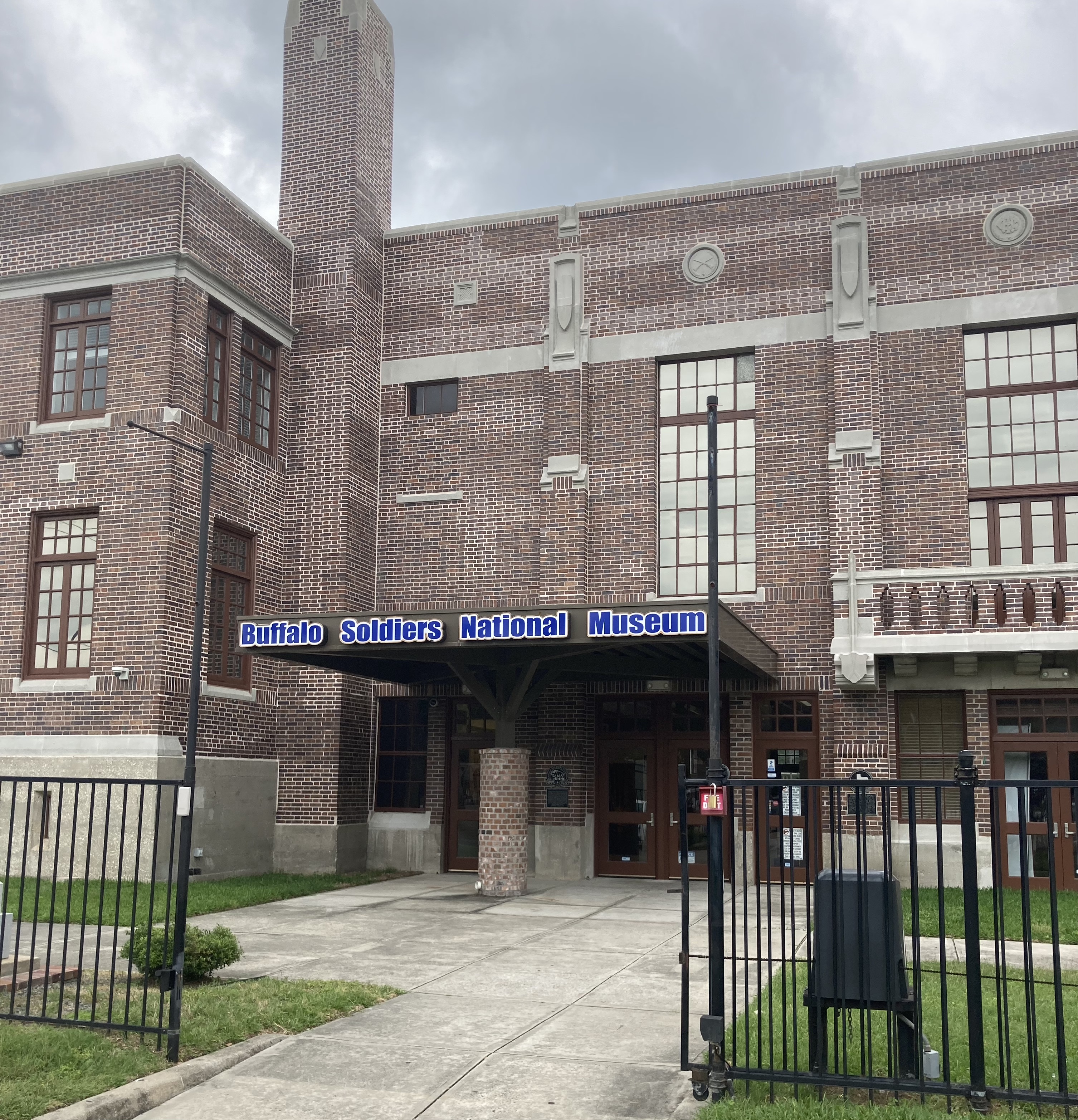
Hoping for the best, expecting the worst. On a visit to Houston, Texas, I stopped at the Buffalo Soldiers National Museum. This museum has potential, especially if it expands its storytelling. The Buffalo Soldiers should be examined in greater depth. Have less glamorization and more explanation of what this cavalry was formed to do.
The history of the United States of America encompasses the good, the bad, and the ugly. The former is the most general telling about the Buffalo Soldiers. The latter two aspects are glossed over or ignored altogether.
This post will delve into who the Buffalo Soldiers were, what they did, their legacy and portrayals, and what this museum offers. The Buffalo Soldiers National Museum was founded in 2001. The museum’s ultimate focus is on Black history in the military, including contributions to astronautics.
Under its current renovations, the Buffalo Soldiers National Museum states that it will expand its interpretation with a “commitment to telling a broader, more inclusive story of African-American military service.”
There is an expectation for more well-rounded accounts of history. For example, several Native American tribes, including some Cherokees in the past, had adopted the American form of slavery and enslaved Blacks. Today, strides have been made in telling that history and its impact on Cherokee Nation citizens, the Cherokee Freedmen.
Likewise, it must be told how some Blacks, such as the Buffalo soldiers, helped the conquering power to remove Natives from their lands. Doing so does not detract from the accomplishments of Black service members; instead, it adds context.
Why are the Buffalo Soldiers problematic? Let’s look into its history, particularly its early years.
History of the Buffalo Soldiers
After the Civil War, the U.S. formed several regiments. These were combined into the 9th and 10th cavalry and the 24th and 25th infantry. The regiments fought in 150 engagements against Native Americans. Following the Civil War, the U.S. acquired more lands in the West. Railroads and the Industrial Revolution increased settlement in already occupied lands. Whether the Native tribes that inhabited these regions welcomed or did not welcome the settlers was of little consideration.
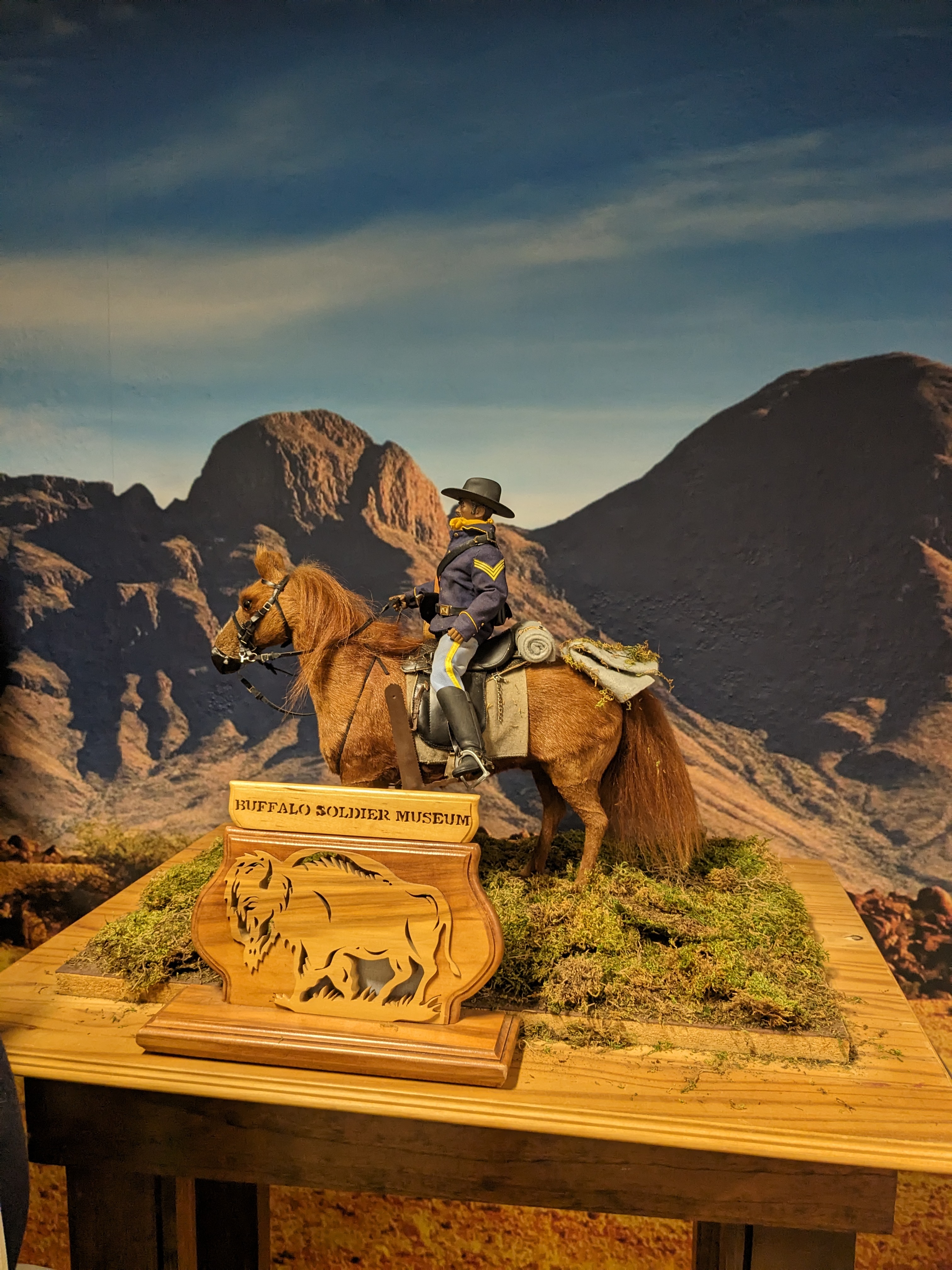
The museum’s central narrative focuses on the contributions of Buffalo soldiers and their legacy. As they helped “open up the west” they built bridges, roadways etc. Their work made it easier for settlement in these territories. Beyond prepping and protecting the lands for settlers in the era following the Civil War, Buffalo Soldiers participated in many major battles from 1866 through the Korean War. They were also among the first park rangers in the national parks.
During the Westward Expansion between 1866 and 1890, the Buffalo Soldiers, in particular the 9th Cavalry, participated in the Red River War against the Kiowas, Comanches, Cheyennes, and Arapahos. They also protected Fort Garland in Colorado against incursions from nearby Native tribes, and they assisted in the forced removal of tribes like the Utes.
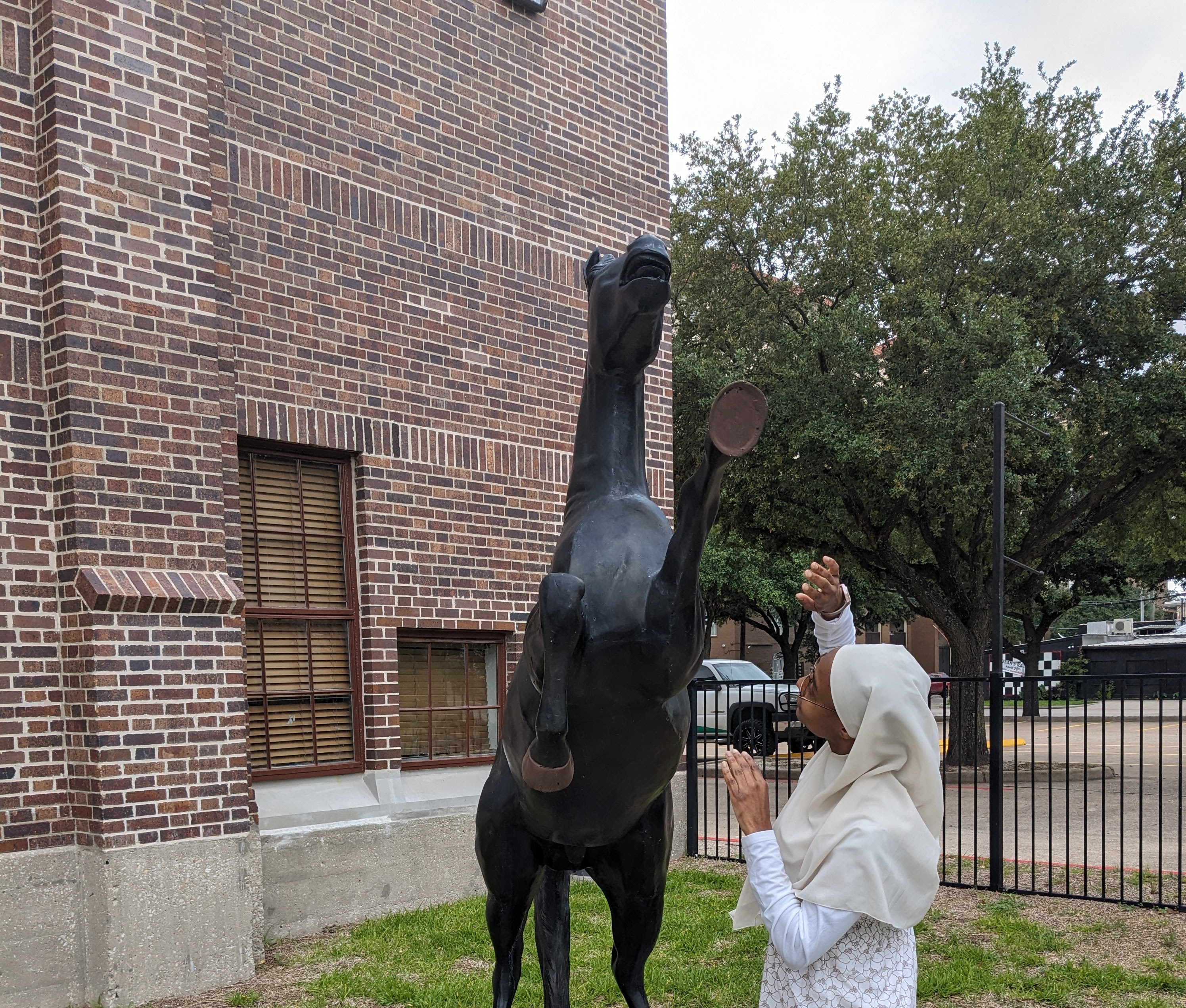
If one speaks to Natives and the related history, the personal stories and views of the Buffalo Soldiers would not, understandably, be told with much glorification. While I did not interview other Natives about the Buffalo Soldiers for this post, I plan to do so in an updated post to provide context for a story that is often one-sided.
Growing up, I would occasionally hear about the Buffalo Soldiers, but the stories were often a little unclear and only touched on the same points. What is usually mentioned is something about them being brave and how this group supposedly received its name.
Yet, one of the frequently glossed over purposes of this group during Westward Expansion? It is not something to be proud of. A marginalized group was used for the purpose of marginalizing another group. Protecting settlers while displacing others.
You know when someone covers their mouth and says something half-heartedly that they don’t want people to pick up on? Well, that’s how it comes across when it is mentioned of how Buffalo Soldiers assisted the displacement.
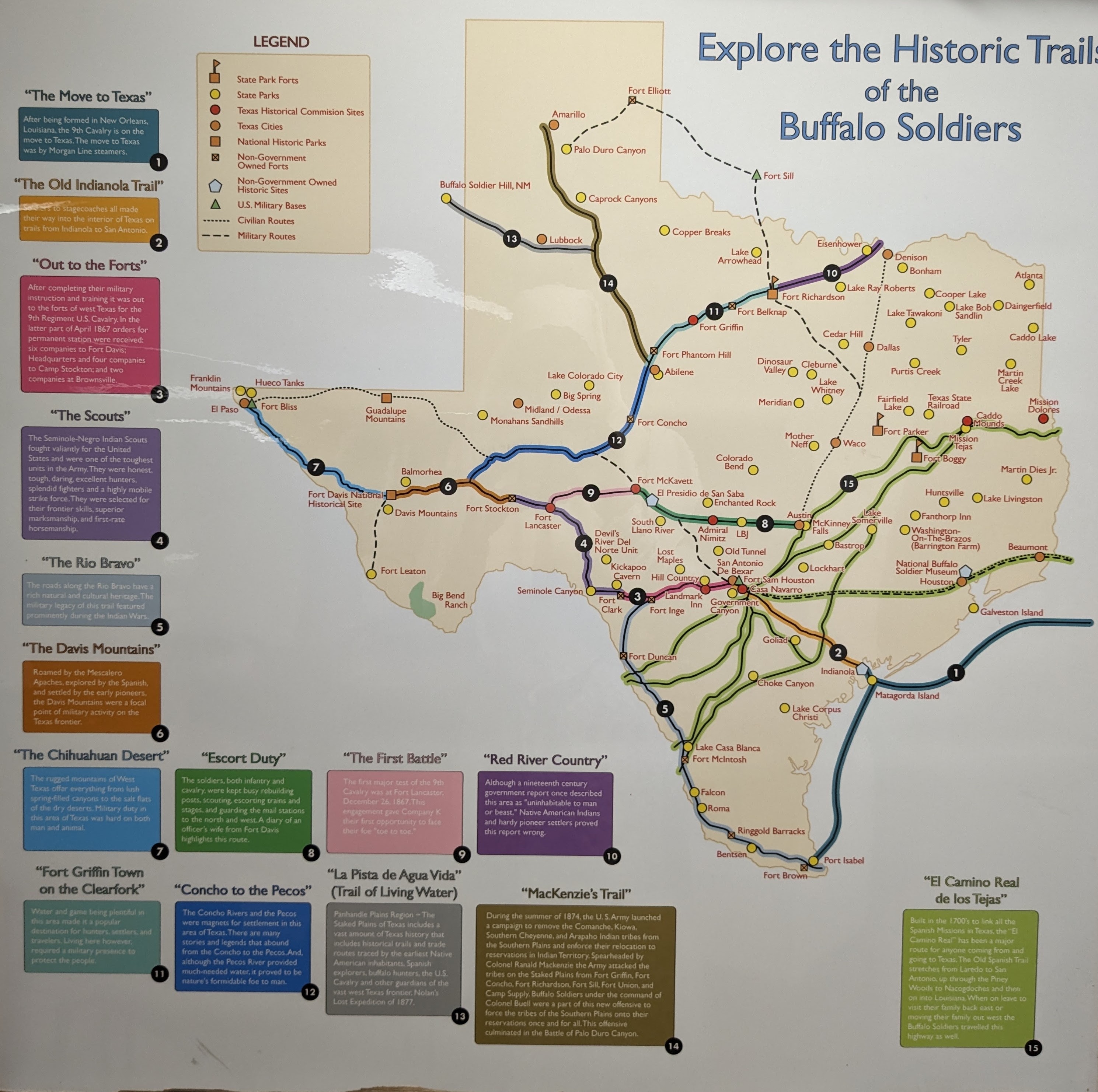
It should be pointed out that not every Buffalo Soldier found the actions their regiment was assigned to do acceptable, and some tried to leave the service. One of the museum displays I appreciated is a map showing the locations Buffalo Soldiers constructed, bridges, roadways, forts, and sites of various battles. As someone who appreciates maps, it was a great visual, and it encourages one to research further and to visit the different locations.
There are several stories on how this regiment came to be known as Buffalo Soldiers. The most popular being that when Native tribes encountered these Black regiments, they were impressed by their valor, likening it to the strength of buffalo. And so they became known as “Buffalo Soldiers”. Another is that some of the regiments that Natives encountered regarded the curly hair of Blacks as similar to that of the buffalo. One way or another, the name stuck.
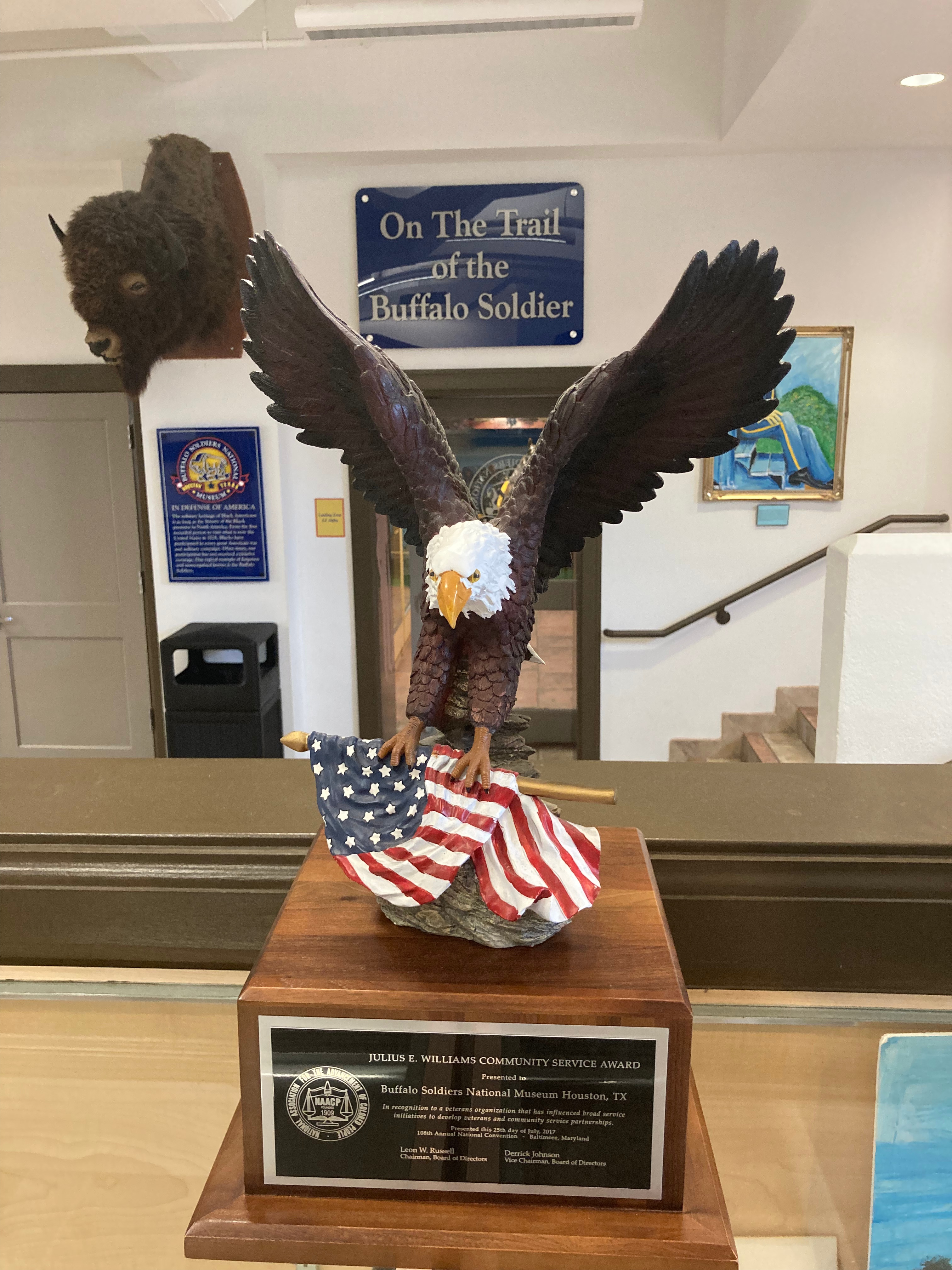
Today, after that particular period of Westward Expansion, Buffalo Soldiers are known as a military tradition. In 1948, Executive Order 9981 desegregated the military and likewise disbanded the Buffalo Soldiers. Following desegregation, many Blacks continued and continue serving in the military. Aspects of military service are interesting. Many who joined the Buffalo Soldiers, especially in its early years, saw it as a way to demonstrate their worth, ability, and loyalty to the U.S. As with many things, this was just one aspect; others had different motivations.
In another post, we can explore why Native people have a high number of serving in the U.S. military and why many view that as its own irony.
What is in a Name? – The Effects of the Buffalo Soldiers
In one portion of a short film at the Buffalo Soldiers National Museum, one person proudly says, “We opened up the west 50 years earlier”. Nauseating. Why? In other words, it advanced the removal and displacement of thousands of Natives.
The pride in Buffalo Soldiers needs to be examined. The lack of including the Native discourse continues the expense of marginalizing Natives, especially since Buffalo Soldiers played a role in the removal of thousands. The formation of the Buffalo Soldiers and the related events in removal are too closely linked to be glossed over.
On the museum’s website, it describes the Buffalo Soldiers, “African Americans have fought in military conflicts since colonial days. However, the Buffalo Soldiers, comprised of former slaves, freemen and Black Civil War soldiers, were the first to serve during peacetime.”. While the U.S. had not formally declared war on a particular group following the Civil War, peacetime does not mean peacetime for everyone.
The Buffalo Soldiers receive their usual portrayal in terms of a fondness for their valor and all its “accomplishments”. Personally, I see many examples from the Black experience and history in America to be proud of. Yet, a marginalized group helping the conquering power conquer another marginalized group is not one of them.
Museum Discourse – Visit
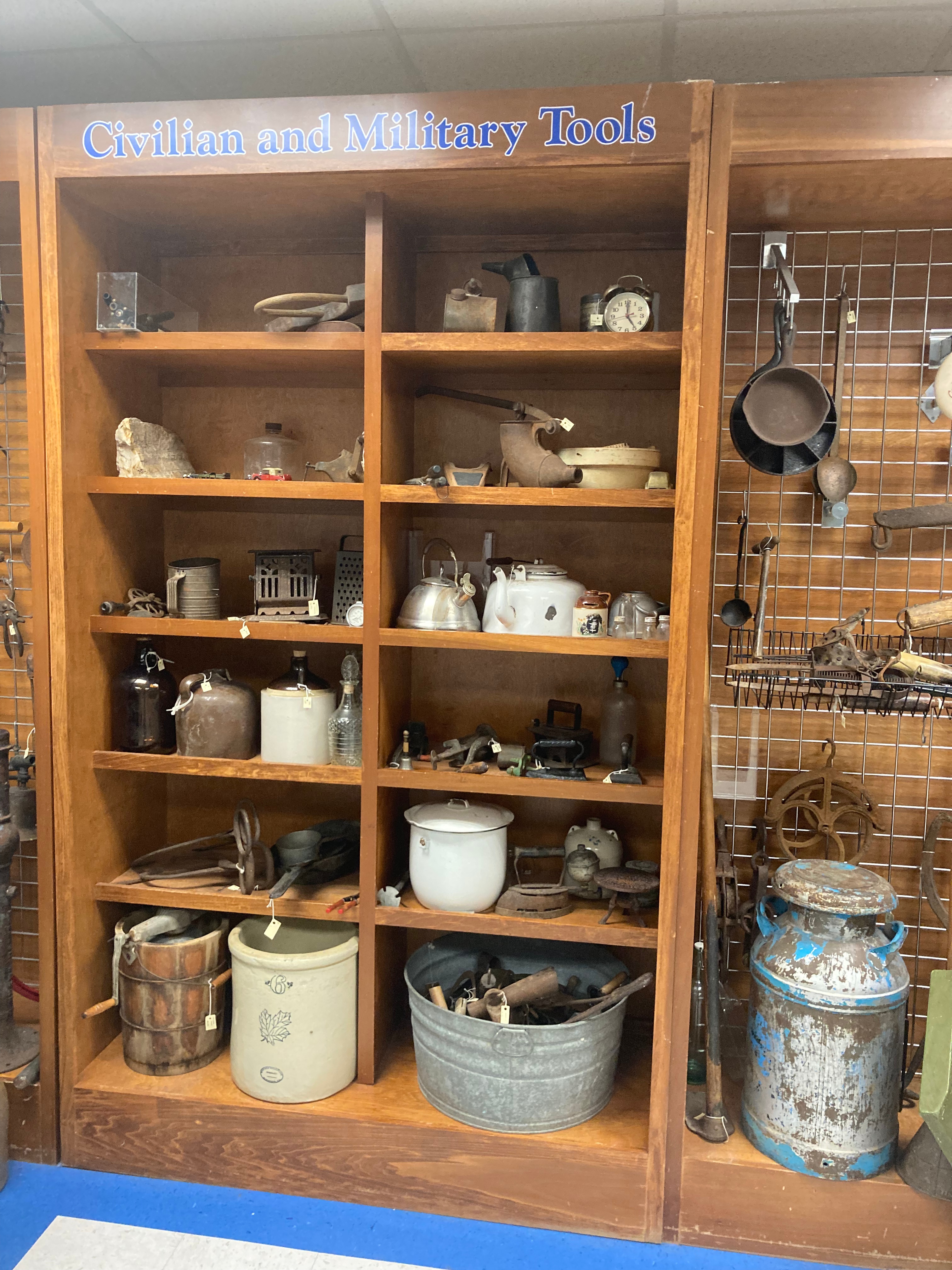
This is a museum I would still recommend visiting. It’s the breadth of storytelling that needs improvement. The building has a lot of space, which is likely to be utilized to showcase more artifacts and explain more of the history. There is also a ballroom on the second floor that is available for event rental. It can also serve as an excellent space for the museum to host lectures on topics related to Black history and the military.
I would love to see exhibits at the Buffalo Soldiers National Museum similar to the one at Fort Garland Museum and Cultural Center in Colorado, reVision. reVision is an art exhibit featuring multiple artists, exploring the complexity of the Buffalo Soldiers, their contributions, the recent freedom from enslavement, their role in the opening of the American West, and the displacement of Native people.
An improvement in the storytelling at the Buffalo Soldiers National Museum would be to present a discourse on conflicting views and the historical implications related to this group. Doing so does not detract from a glowing view for those who have it.
There should be a level of trust in visitors to ponder and decipher conflicting issues and views. Such discourses are part of what makes museum visits stimulating for the mind and brings forth interesting conversations.
The museum is currently undergoing renovations, set to open in summer 2026. I’m hopeful that under its current renovations, it will expand its storytelling.
 Explore Creatively